Water Extraction Services
Extraction is the mechanical heart of water cleanup — the equipment and measurement that move water out of a building and confirm it is genuinely dry.
Extraction, drying, and verification
Water extraction is more than a pump on a floor. It combines removal of standing water with structural drying — using air movers to increase evaporation and dehumidifiers to pull that moisture out of the air so it does not resettle into materials.
The step that separates professional work from guesswork is measurement. Moisture meters and readings taken over several days show whether framing, subfloor, and drywall are actually returning to a dry standard, rather than simply feeling dry on the surface.
The equipment involved
A typical extraction setup includes:
- Pumps and extractors. Submersible pumps for deep water; portable or truck-mounted extractors for floors and carpet.
- Air movers. High-velocity fans that speed evaporation from wet surfaces.
- Dehumidifiers. Units that capture airborne moisture so the room keeps drying instead of re-wetting.
- Moisture meters. Tools that measure how wet materials are and confirm when drying is complete.
What gets dried and what gets removed
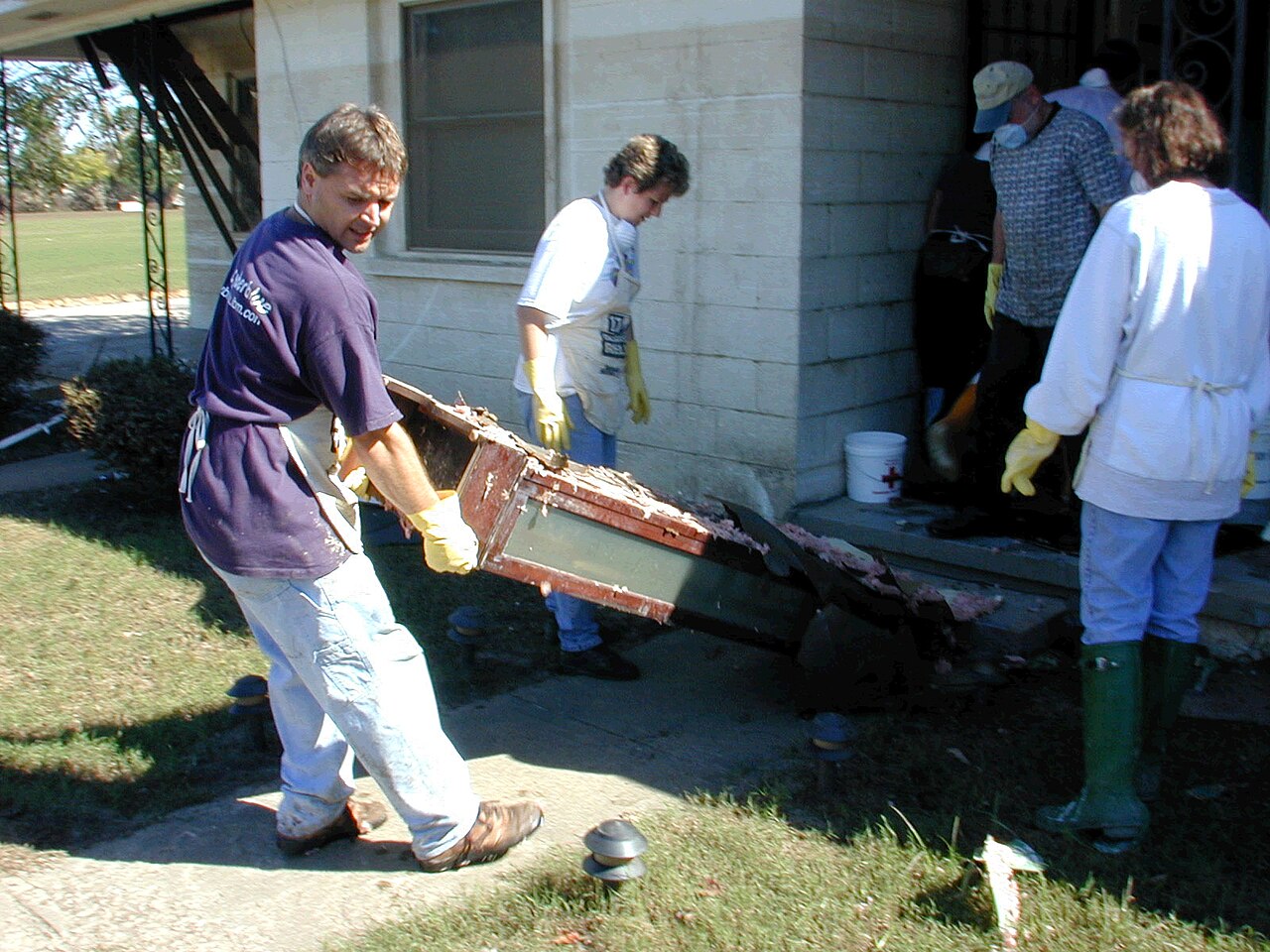
Not everything can be dried in place. Dense, non-porous materials often dry well, while saturated carpet pad, some insulation, and swollen particleboard are frequently removed because they trap water against the structure.
A good extraction plan explains those choices up front — which materials the company expects to save, which it expects to remove, and how it will know the space is dry before repairs start.
Primary safety sources
- US EPAFlood Cleanup to Protect Indoor Air and Your Health
- Use an N-95 respirator, non-vented goggles, gloves, long sleeves, and boots.
- Discard porous materials that cannot be cleaned and fully dried, such as saturated carpet and drywall.
- Never mix cleaning products or add bleach to other chemicals; run generators outside only.
- CDCCarbon Monoxide Poisoning Basics
- Never run a generator inside a home, basement, or garage — even with doors open.
- Place generators outside, more than 20 feet from windows, doors, and vents.
- Install battery-backed carbon monoxide detectors near sleeping areas.
Frequently asked questions
How long does structural drying take?
It varies with how much water was involved and which materials are wet. Rather than a fixed number of days, professionals rely on moisture readings that show when materials reach a dry standard.
How do you know when something is “dry”?
By measurement, not feel. Meters compare wet areas against unaffected reference points until readings return to normal.
Do you have to remove the drywall?
Sometimes. If drywall and insulation are saturated or contaminated, removal is often faster and safer than trying to dry them in place.
Why use dehumidifiers as well as fans?
Fans move moisture into the air; dehumidifiers remove it. Without dehumidification, evaporated water can simply resettle into other materials.
Related restoration services
Ready to connect with local restoration help?
Check local availability for cleanup and repair based on your location and the damage to your property.