Storm Damage Restoration
Storms often leave a building open to the weather. The first job is stabilizing it — tarping and board-up — before cleanup and repair can safely follow.
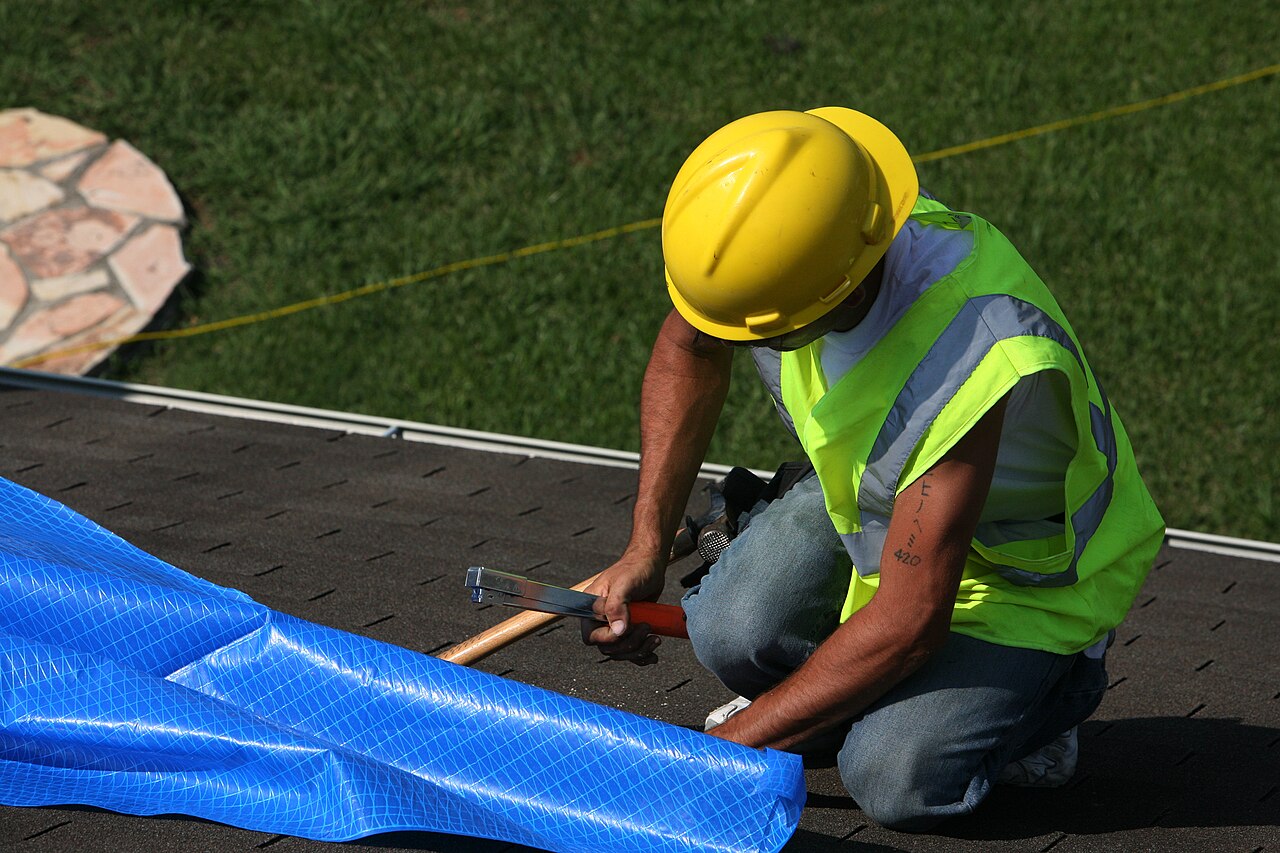
Stabilize first, restore second
Storm damage is a two-stage problem. Wind, hail, and fallen trees can breach a roof or wall, and until that opening is covered, every rain adds water damage on top of the structural damage. Emergency stabilization — roof tarping and board-up — buys time and stops the loss from growing.
Once the building is closed to the weather, restoration follows the type of damage: drying and repairing water intrusion, replacing damaged roofing and siding, and rebuilding interior finishes.
What storm restoration can include
Depending on the damage, the work may involve:
- Emergency tarping. Covering roof breaches to keep rain out.
- Board-up. Securing broken windows, doors, and wall openings.
- Water damage repair. Drying and rebuilding interiors soaked by intrusion.
- Debris removal. Clearing fallen branches and damaged material.
- Reconstruction. Repairing roofing, siding, and finishes.
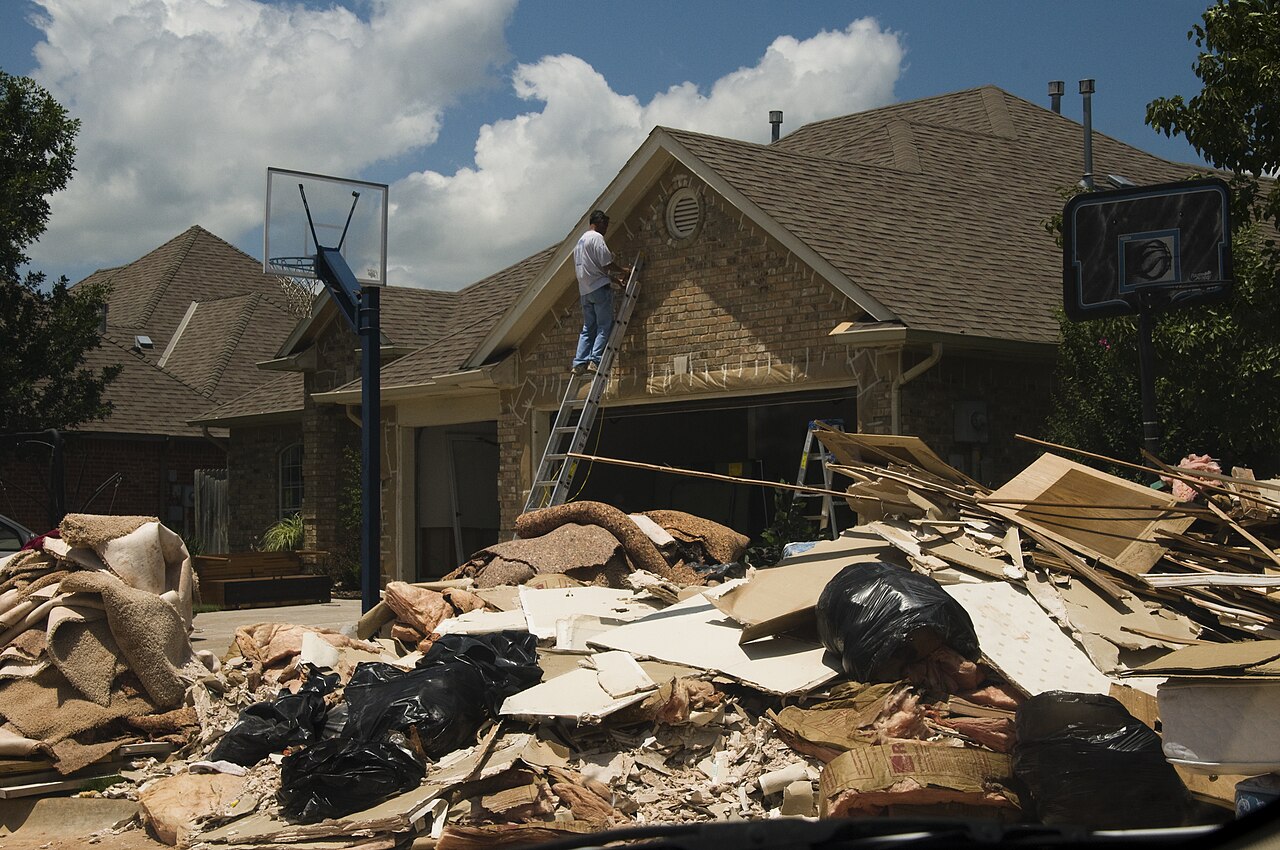
Documenting storm damage
Storm claims move faster when the damage is well documented. Photograph the exterior, the roof line if you can do so safely from the ground, and every interior area where water came in.
Keep records of any emergency measures — tarps, board-up, temporary repairs — and their receipts, since those steps protect the property while a full repair is arranged.
Primary safety sources
- Ready.govFloods — Preparedness and Safety
- Turn Around, Don’t Drown: never walk or drive through flood water.
- Do not touch electrical equipment if it is wet or if you are standing in water.
- Return home only when authorities say it is safe.
- CDCCarbon Monoxide Poisoning Basics
- Never run a generator inside a home, basement, or garage — even with doors open.
- Place generators outside, more than 20 feet from windows, doors, and vents.
- Install battery-backed carbon monoxide detectors near sleeping areas.
- CDCReentering Your Flooded Home Safely
- Never switch power on or off, or use an electric appliance, while standing in water.
- Have a certified electrician inspect the property before restoring power.
- Discard perishable food and use only safe water until authorities confirm the supply.
Frequently asked questions
What is the first thing to do after storm damage?
Make sure everyone is safe, stay away from downed lines, and get the building stabilized with tarping or board-up so weather cannot cause more damage.
Should I get on the roof to tarp it myself?
No. Damaged roofs are unstable and climbing them is dangerous. Emergency tarping is best left to professionals with proper fall protection.
Does storm damage always mean water damage?
Often. Once wind or hail breaches the envelope, rain follows, so storm restoration frequently includes drying and repairing water intrusion.
How do I handle the insurance side?
Document thoroughly, keep receipts for emergency measures, and report the claim promptly. Temporary protective steps are usually expected before full repairs.
Related restoration services
Ready to connect with local restoration help?
Check local availability for cleanup and repair based on your location and the damage to your property.