Fire Damage Restoration
A fire leaves more than char behind — soot, smoke odor, and water from firefighting all have to be addressed. Restoration brings them together into one plan.
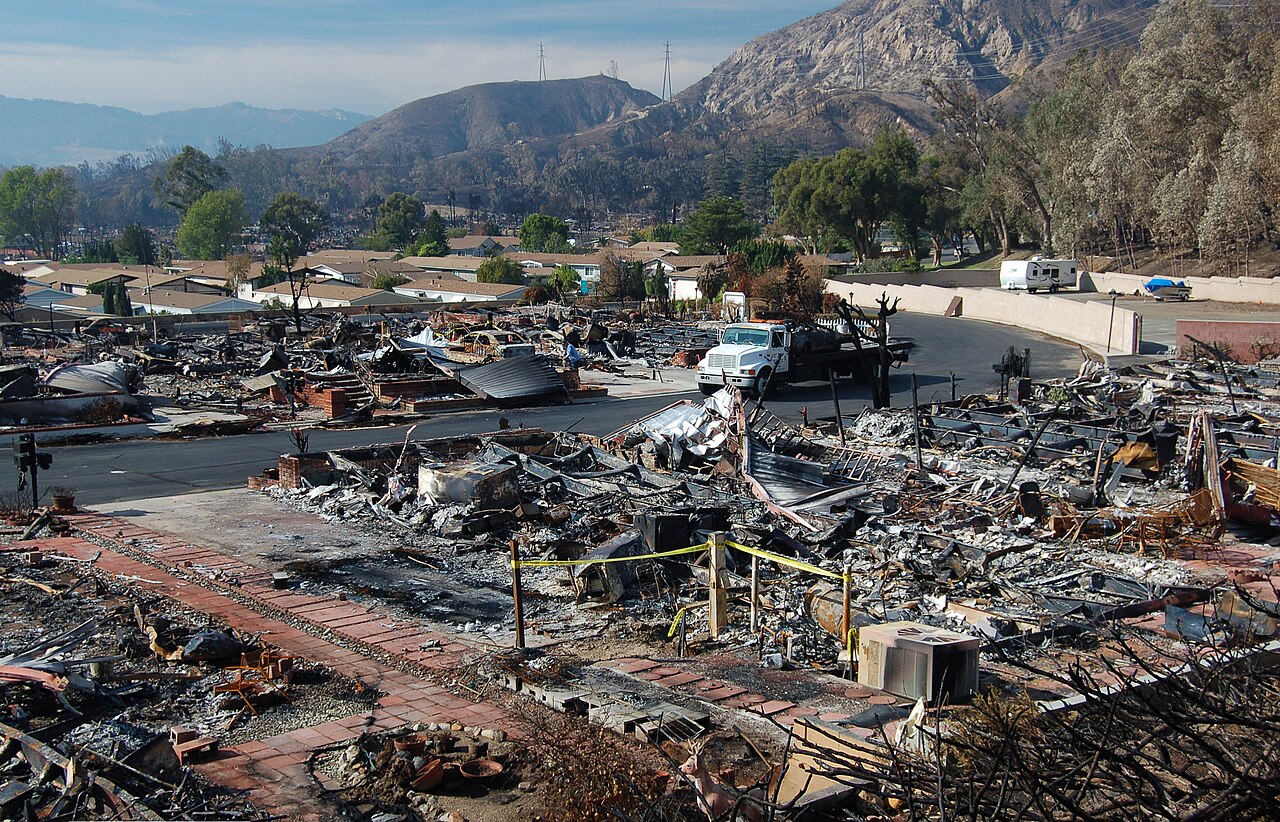
What fire restoration has to address
Fire restoration is unusually broad because a fire causes several kinds of damage at once. There is direct burning, but also smoke and soot that travel through the building, odor that settles into porous materials, and water or chemicals left by firefighting.
The work generally starts with stabilizing and securing the property, then cleaning and deodorizing what can be saved, and finally rebuilding the parts that were lost. Water damage from suppression is treated alongside the fire damage, because leftover moisture creates its own mold risk.
A common order of work
- Secure the property. Board-up and roof tarping keep weather and intruders out.
- Assess and document. The extent of burning, smoke, soot, and water is mapped for the scope and the claim.
- Remove debris and water. Unsalvageable material and firefighting water are cleared and dried.
- Clean and deodorize. Soot is removed from surfaces and contents; odor is treated at the source.
- Rebuild. Structural repairs and finishes restore the affected areas.
Soot and odor need a professional assessment
Soot and smoke odor are not something to judge by eye or to disturb yourself. Wait until the building is cleared for re-entry, avoid disturbing residues, and ask a restoration professional to assess the affected surfaces, HVAC system, and contents before any cleaning begins.
Odor settles into porous materials, so deodorizing aims to treat it at the source rather than mask it. Ask for a written scope of what will be cleaned and how — and keep in mind that whether a specific surface or item can be restored cannot be guaranteed in advance.
Primary safety sources
- Ready.govHome Fires — Preparedness and Recovery
- Get fire-department clearance before re-entering a fire-damaged building.
- Do not reconnect utilities yourself after a fire.
- Never use portable generators indoors.
- US Fire AdministrationAfter the Fire (FA-46)
- Soot and dirty water left behind may contain things that could make you sick, so be careful around fire-damaged items.
- Anything you want to save or reuse will need to be carefully cleaned; some companies specialize in cleaning and restoring personal items.
- Contact your insurance company, ask for recommendations of companies you can trust, and ask for a cost estimate in writing.
- IICRCANSI/IICRC S700 Standard for Professional Fire and Smoke Damage Restoration
- Describes assessing the presence, intensity of impact, and boundaries of fire residues and odors affecting a building, building systems such as HVAC, and contents.
- Covers the principles, methods, and processes for restoration cleaning and fire odor management of buildings and contents.
- Does not comprehensively address wildfires, chemical fires, or industrial fires that pose environmental hazards.
- CDCCarbon Monoxide Poisoning Basics
- Never run a generator inside a home, basement, or garage — even with doors open.
- Place generators outside, more than 20 feet from windows, doors, and vents.
- Install battery-backed carbon monoxide detectors near sleeping areas.
Frequently asked questions
Can I start cleaning soot myself?
It is best to wait. The U.S. Fire Administration warns that soot and dirty water left after a fire may contain substances that can make you sick. Wait for clearance and have a professional assess affected surfaces and contents before cleaning.
Why is there water damage after a fire?
Firefighting uses large amounts of water. That water soaks into the structure and, if not dried, creates a mold risk on top of the fire damage.
How is smoke odor actually removed?
By cleaning soot from surfaces and contents and treating odor at its source in porous materials, rather than masking it with fragrance.
When can I turn the power and gas back on?
Only after a professional inspects the systems. Heat can damage wiring and gas components in ways that are not visible.
What should I do first after a house fire?
Make sure everyone is safe and accounted for, wait for fire-department clearance, contact your insurer, and secure the property against weather before cleanup begins.
Related restoration services
Ready to connect with local restoration help?
Check local availability for cleanup and repair based on your location and the damage to your property.