Flood Cleanup
Floodwater from outside is not the same as a clean-water leak. It is treated as contaminated, which changes what can be saved and how the cleanup is done.
What makes flood cleanup different
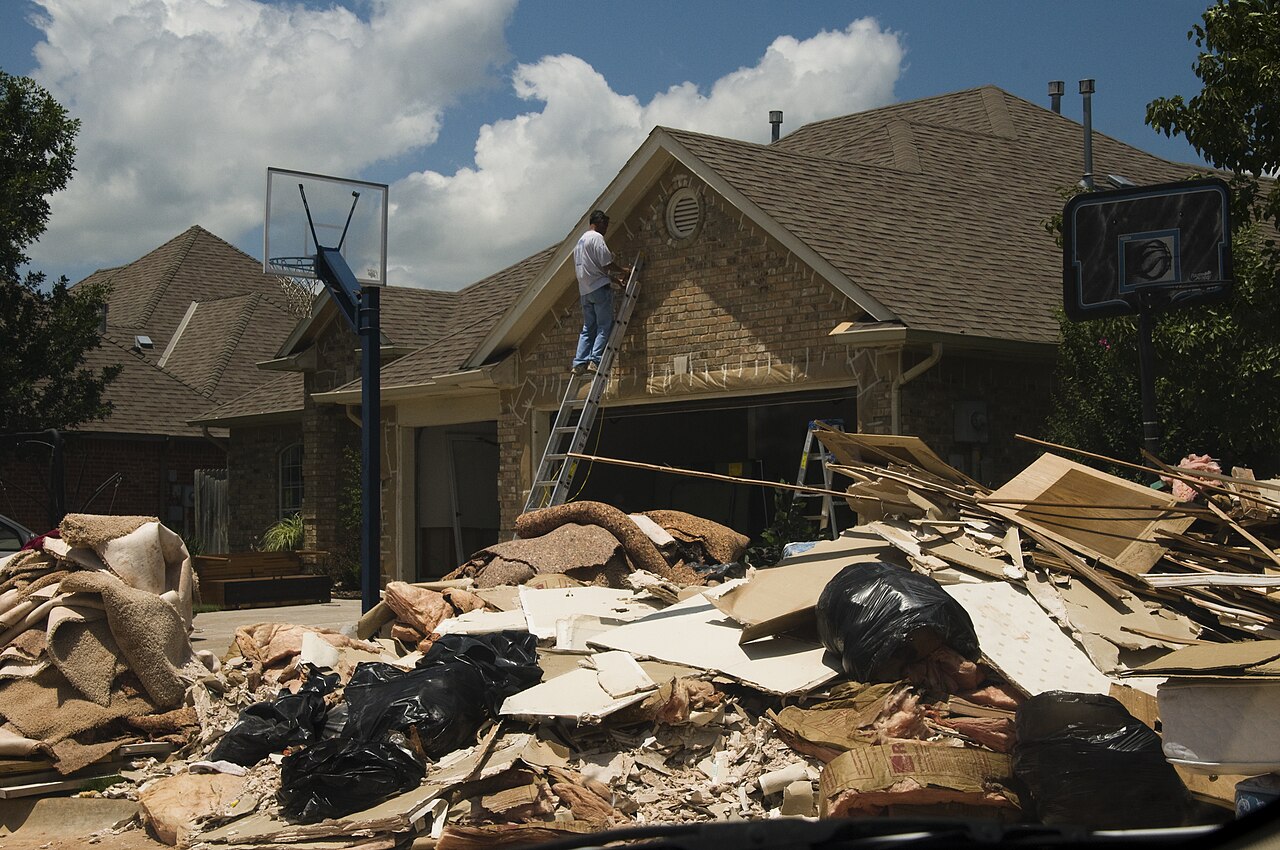
When water comes from outside — an overflowing river, storm surge, or heavy runoff — it is categorized as “black” water because of what it may carry. That classification drives the cleanup: porous materials that soaked it up are usually removed rather than cleaned, because they cannot be reliably disinfected.
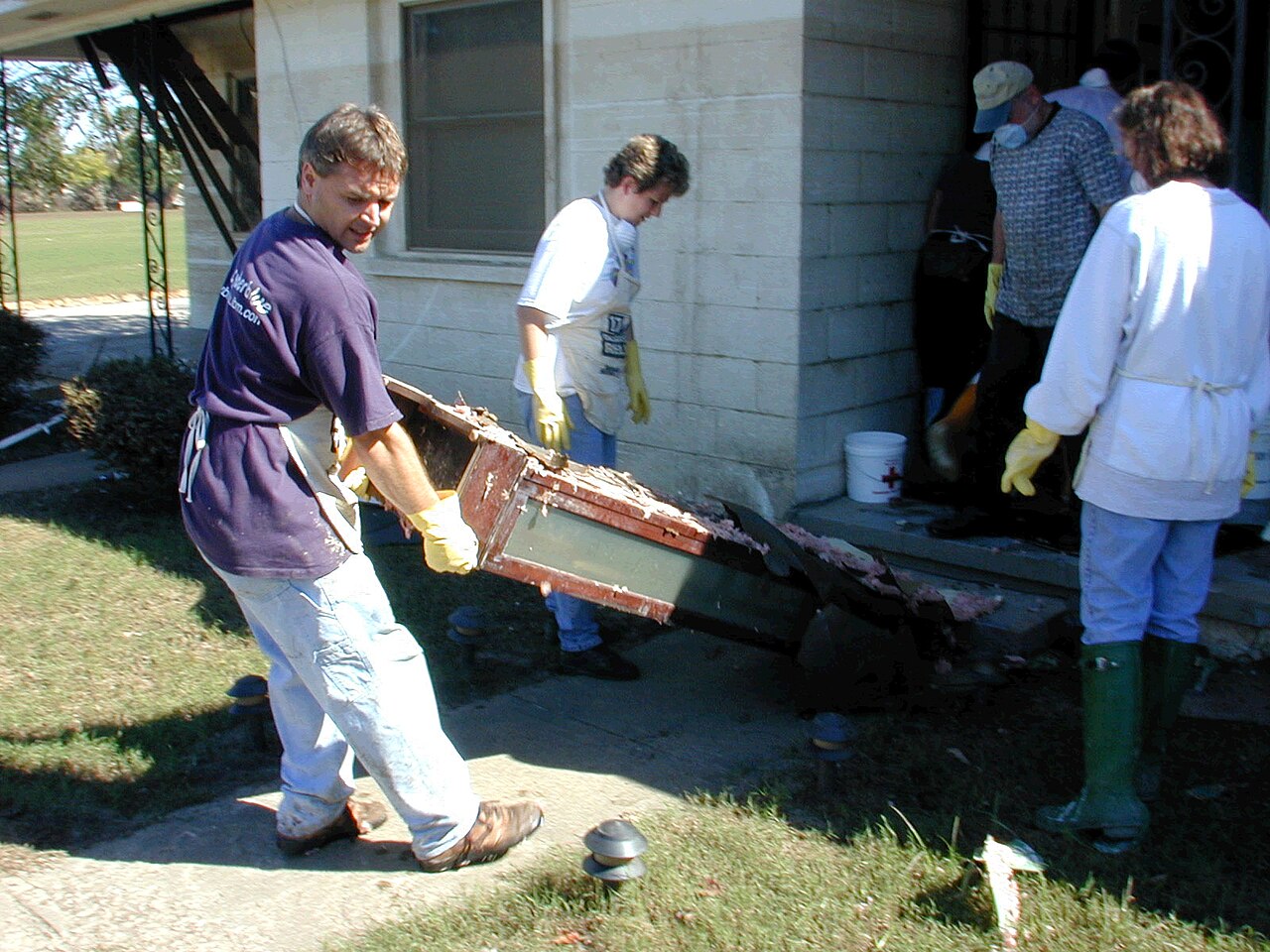
The federal guidance is consistent on the sequence. FEMA describes it as air out, move out, tear out, clean out, and dry out — ventilate, remove wet contents, take out unsalvageable materials, clean and disinfect surfaces, then dry the structure completely.
What typically gets discarded
After floodwater exposure, these are commonly removed:
- Saturated carpet and carpet pad.
- Wet drywall and insulation, especially below the water line.
- Upholstered furniture and mattresses that soaked up floodwater.
- Food, medicine, and cosmetics that contacted the water.
Drying and preventing mold
Once contaminated materials are out and surfaces are cleaned, the structure has to be dried. The EPA and CDC both stress drying within 24 to 48 hours where possible to limit mold.
Because flood cleanup and mold prevention are so closely linked, professionals verify dryness with moisture readings before any rebuilding begins.
Primary safety sources
Flood cleanup is well documented by federal agencies — read these directly before you begin:
- FEMAStay Safe Cleaning Up After a Flood
- Work through flood-damaged items in order: air out, move out, tear out, clean out, dry out.
- Wear long pants, sturdy shoes, goggles, gloves, and a mask when handling debris.
- Never touch downed power lines — a line can re-energize at any moment.
- US EPAFlood Cleanup to Protect Indoor Air and Your Health
- Use an N-95 respirator, non-vented goggles, gloves, long sleeves, and boots.
- Discard porous materials that cannot be cleaned and fully dried, such as saturated carpet and drywall.
- Never mix cleaning products or add bleach to other chemicals; run generators outside only.
- CDCReentering Your Flooded Home Safely
- Never switch power on or off, or use an electric appliance, while standing in water.
- Have a certified electrician inspect the property before restoring power.
- Discard perishable food and use only safe water until authorities confirm the supply.
Frequently asked questions
Why is floodwater treated as contaminated?
Outdoor floodwater can carry sewage, chemicals, and debris, so it is classified as “black” water. Materials that absorbed it usually cannot be reliably disinfected and are removed.
What can I keep after a flood?
Non-porous items that can be cleaned and disinfected are often salvageable. Porous materials that soaked up floodwater — carpet, drywall, upholstery — are typically discarded.
Is it safe to clean up a flood myself?
Outdoor floodwater is treated as contaminated, so cleanup is best handled by experienced restoration professionals with proper protection and disposal. If you must be in the area, wear protection and stay clear of electrical hazards.
How do I prevent mold after a flood?
Remove wet materials and dry the structure quickly — the EPA and CDC point to a 24-to-48-hour window — then verify dryness before rebuilding.
Related restoration services
Ready to connect with local restoration help?
Check local availability for cleanup and repair based on your location and the damage to your property.