Smoke Damage Restoration
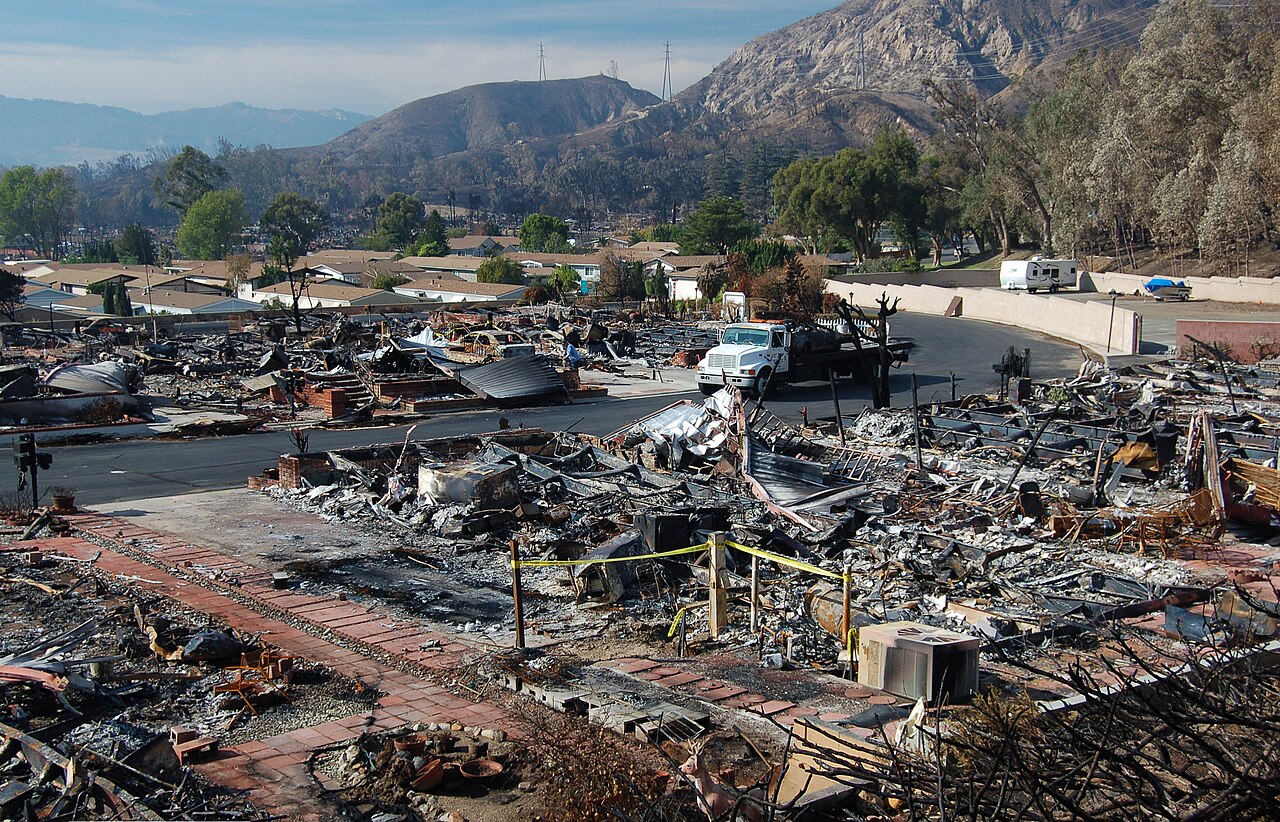
Smoke reaches far beyond the room that burned. Restoring smoke damage means dealing with the residue and odor it leaves on surfaces and belongings throughout a building.
Why smoke damage spreads
Smoke moves with air. It travels through doorways, HVAC systems, and small gaps, depositing soot and odor in spaces the fire never touched. That is why smoke damage is often addressed building-wide, not just at the origin.
Smoke residue and odor vary from fire to fire, so guessing is the wrong approach. A restoration professional should assess the affected surfaces, HVAC system, and contents and set a written scope before cleaning, rather than residues being disturbed by hand.
What smoke restoration covers
A smoke project usually spans:
- Surface cleaning. Removing soot from walls, ceilings, and hard surfaces once a professional has assessed what is affected.
- Contents. Cleaning or, where possible, restoring furniture, clothing, and belongings.
- HVAC consideration. Checking whether ductwork carried soot through the building.
- Deodorizing. Treating odor trapped in porous materials at its source.
Saving belongings
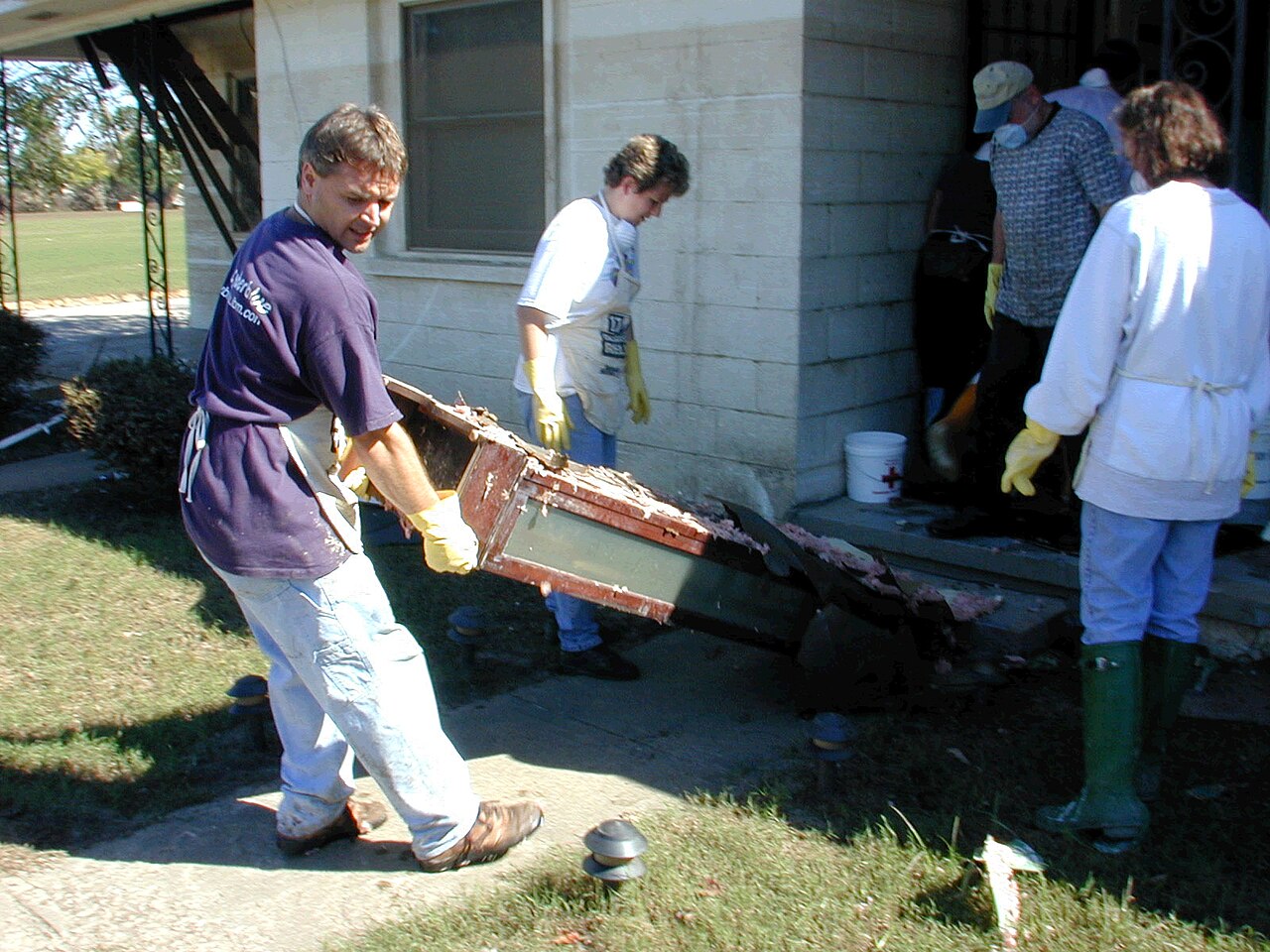
Not every item exposed to smoke is beyond saving, but which pieces can be restored is decided item by item and cannot be guaranteed in advance. Ask a professional to assess affected contents rather than discarding them — or assuming you can clean them — yourself.
Deciding what to keep is easier with a documented inventory. Photograph affected items before anything is cleaned so you have a record for insurance and for tracking what was restored.
Primary safety sources
- Ready.govHome Fires — Preparedness and Recovery
- Get fire-department clearance before re-entering a fire-damaged building.
- Do not reconnect utilities yourself after a fire.
- Never use portable generators indoors.
- US Fire AdministrationAfter the Fire (FA-46)
- Soot and dirty water left behind may contain things that could make you sick, so be careful around fire-damaged items.
- Anything you want to save or reuse will need to be carefully cleaned; some companies specialize in cleaning and restoring personal items.
- Contact your insurance company, ask for recommendations of companies you can trust, and ask for a cost estimate in writing.
- IICRCANSI/IICRC S700 Standard for Professional Fire and Smoke Damage Restoration
- Describes assessing the presence, intensity of impact, and boundaries of fire residues and odors affecting a building, building systems such as HVAC, and contents.
- Covers the principles, methods, and processes for restoration cleaning and fire odor management of buildings and contents.
- Does not comprehensively address wildfires, chemical fires, or industrial fires that pose environmental hazards.
Frequently asked questions
Can there be smoke damage without fire in the room?
Yes. Smoke travels through a building and settles far from the flames, so rooms that never burned can still have soot and odor.
Why not just paint over smoke stains?
Painting over soot before it is cleaned can leave odor and residue behind. The residue should be assessed and addressed first, on a scope a professional sets.
Can smoke-damaged clothing and furniture be saved?
It depends on the item, and salvage cannot be guaranteed in advance. Have a professional assess affected clothing and contents rather than deciding by eye or discarding them yourself.
Is soot dangerous to touch?
It can be irritating to skin and lungs, so it is best cleaned with proper methods and protection rather than bare hands.
Related restoration services
Ready to connect with local restoration help?
Check local availability for cleanup and repair based on your location and the damage to your property.