Water Damage Restoration
From a burst supply line to a storm-flooded first floor, water spreads through a building quickly. Here is what restoration actually involves, and how to line up local help.
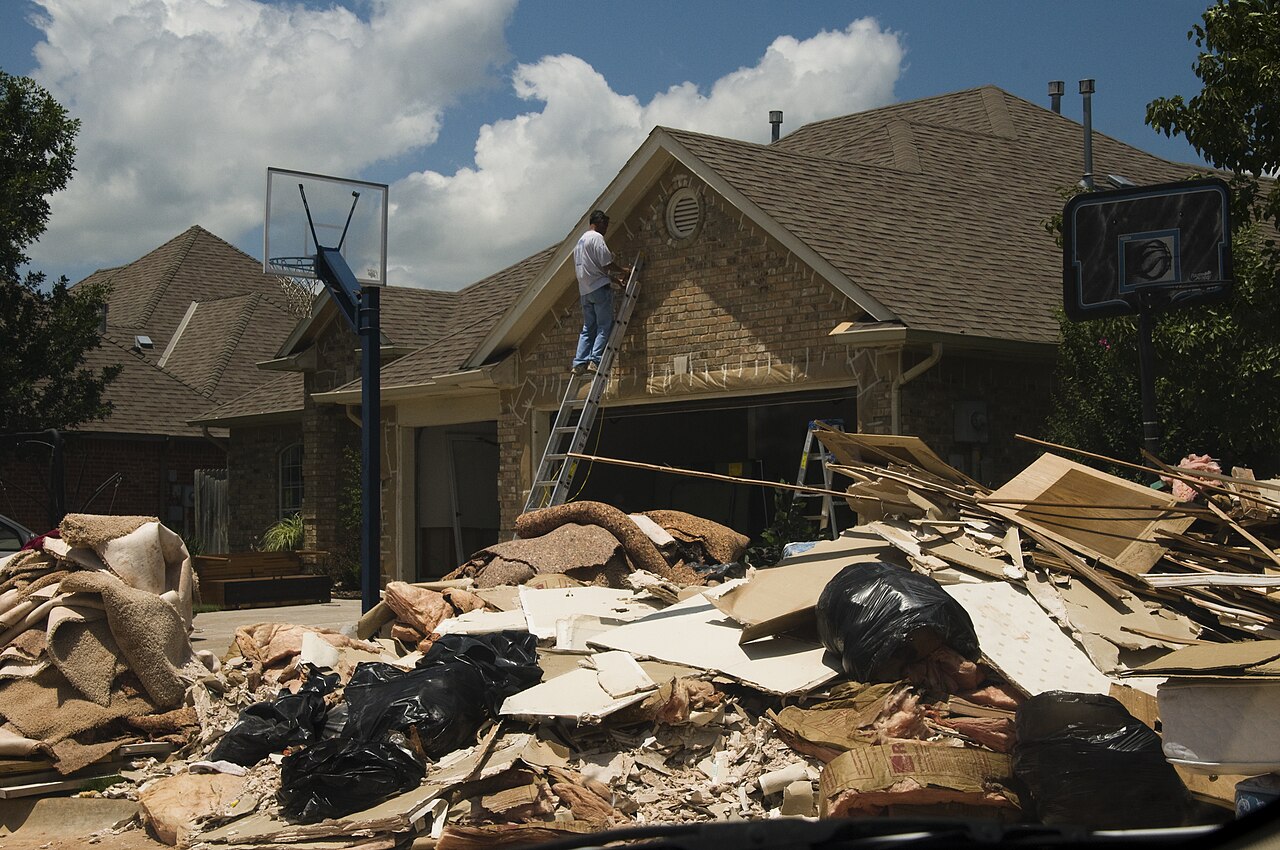
What water damage restoration involves
Water damage work has two broad phases. Mitigation is the urgent part — stopping the water, removing what has pooled, and drying the structure so damage stops spreading. Restoration is the rebuilding that follows: replacing materials that could not be saved and returning rooms to their prior condition.
The category of water matters. Clean water from a supply line is handled differently from “gray” water (for example, from an appliance) and from “black” water — sewage or floodwater from outside — which is contaminated and calls for extra protection and disposal. A restoration company will identify the category before deciding what can be dried and kept versus removed.
A typical restoration sequence
Every loss is different, but most water projects move through the same stages:
- Inspection and moisture mapping. Meters and, where useful, thermal imaging find where water has traveled inside walls and floors.
- Extraction. Standing water is pumped and vacuumed out before drying can begin.
- Structural drying. Air movers and dehumidifiers pull moisture out of framing, subfloor, and drywall over several days.
- Cleaning and treatment. Affected surfaces are cleaned; antimicrobial treatment is used where contamination or mold risk is present.
- Repairs. Removed drywall, insulation, flooring, and trim are rebuilt once the structure reads dry.
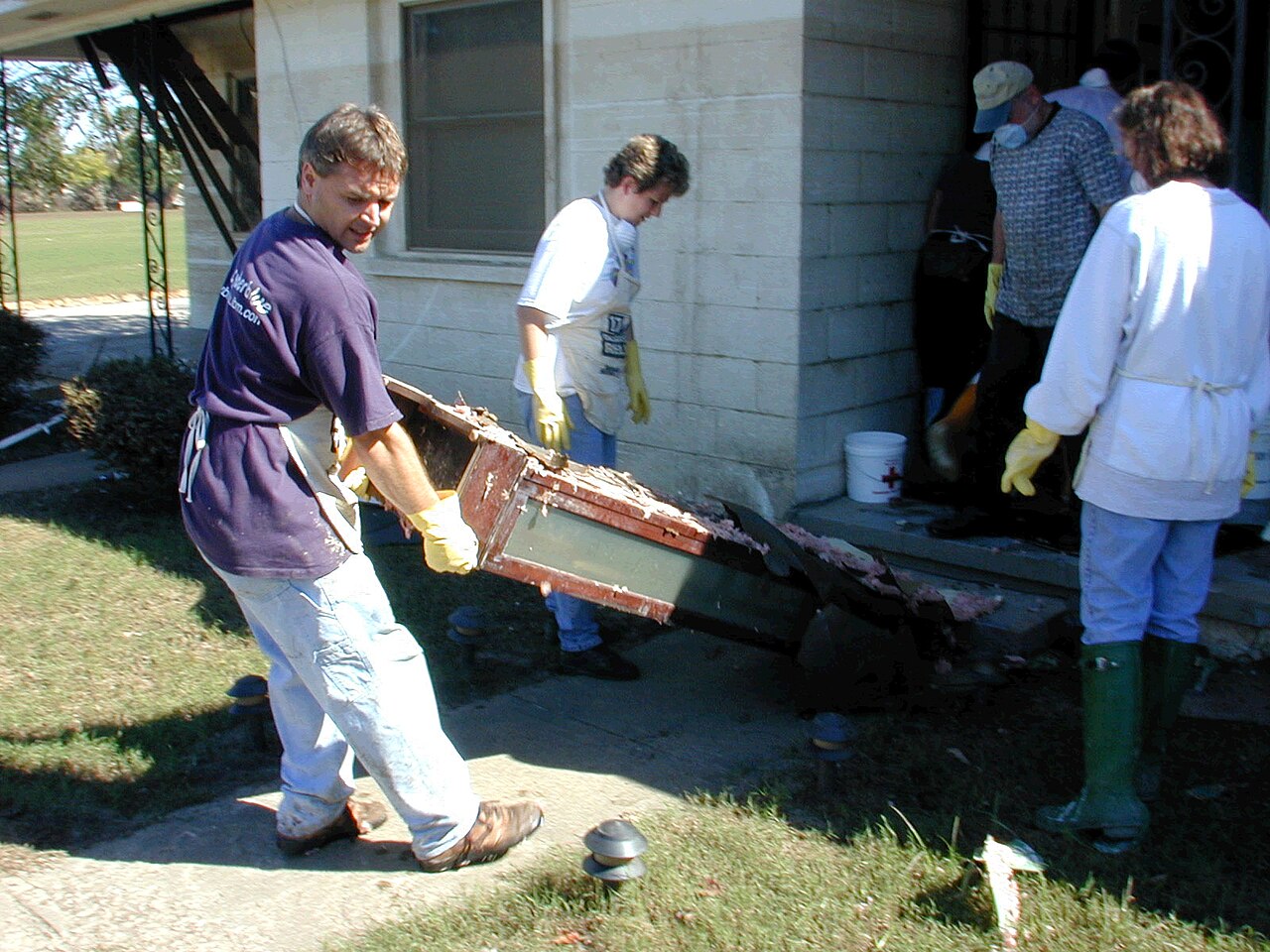
Why fast drying matters
Moisture that lingers is what turns a contained leak into a larger loss. The EPA and CDC note that drying wet materials within 24 to 48 hours usually prevents mold from taking hold.
That window is the reason professionals prioritize extraction and airflow over cosmetic repairs. Porous materials that stay saturated — carpet pad, insulation, and some drywall — are often removed rather than dried, because they hold water against the structure.
What to document and ask about
Before authorizing work, gather a few things and raise a few questions:
- Photograph and video every affected room and belongings before anything is moved or discarded.
- Ask how the company will measure and verify that the structure is dry, not just dry to the touch.
- Ask which materials they expect to remove versus dry in place, and why.
- Confirm what the written scope covers and how changes would be handled.
Primary safety sources
For safety and health guidance, these federal sources are worth reading directly:
- US EPAFlood Cleanup to Protect Indoor Air and Your Health
- Use an N-95 respirator, non-vented goggles, gloves, long sleeves, and boots.
- Discard porous materials that cannot be cleaned and fully dried, such as saturated carpet and drywall.
- Never mix cleaning products or add bleach to other chemicals; run generators outside only.
- CDCReentering Your Flooded Home Safely
- Never switch power on or off, or use an electric appliance, while standing in water.
- Have a certified electrician inspect the property before restoring power.
- Discard perishable food and use only safe water until authorities confirm the supply.
- US EPAA Brief Guide to Mold, Moisture and Your Home
- Drying wet materials within 24–48 hours usually prevents mold growth.
- Scrub mold off hard surfaces with detergent and water, then dry completely.
- Consider professional help for mold over roughly 10 square feet or where sewage is involved.
Frequently asked questions
What is the difference between water mitigation and restoration?
Mitigation is the immediate work that stops damage from spreading — extraction and drying. Restoration is the repair and rebuilding that returns the property to its previous condition afterward.
How quickly should water damage be addressed?
As soon as it is safe to act. The EPA and CDC note that drying wet materials within 24 to 48 hours usually prevents mold, so extraction and airflow are the first priorities.
Can I dry out water damage myself?
Small, clean-water spills that you catch early can sometimes be dried with fans and a dehumidifier. Larger losses, contaminated water, or water inside walls generally need professional drying equipment and verification.
Will insurance cover water damage?
It depends on the cause and your specific policy. Sudden, accidental damage is often treated differently from gradual leaks or flooding. Document everything and review your coverage with your insurer early.
What should I do while I wait for help?
If it is safe, stop the water source, move valuables to a dry area, and start photographing the damage. Do not enter standing water near electricity or anything that may be contaminated.
Related restoration services
Ready to connect with local restoration help?
Check local availability for cleanup and repair based on your location and the damage to your property.